 +49 (0) 8 21/ 50 2 04 -0
 WhatsApp
 cityhotel@ostamkoe.de

Book Now
Book directly. Best price guaranteed.
Sustainability management
SUSTAINABILITY IN OUR HOTEL
The following sustainability aspects have been thoroughly analyzed in our hotel operations in recent months, consistently implemented and continuously updated. This has not only significantly lowered operating costs and reduced our "ecological footprint", but has also increased guest satisfaction and the positive image of our hotel in reviews.
1. Energy efficiency:
The use of the municipal district heating plant for the entire hotel has a very high efficiency of over 90%, more than other energy systems. The new contract with SWA now combines renewable and conventional technologies. SWA's goal is to switch the district heating supply to 100% renewable energy, waste heat and CO2-neutral technologies by 2040.
- All TV sets were replaced with energy-saving devices.
- The lighting in the guest rooms, hotel corridors etc. has been switched to energy-saving LED lights.
- The cooling of the cold rooms is operated by a heat pump, our cooling systems use hydrocarbons or natural coolants.
- All exterior walls, roofs and ceilings are insulated.
- All windows are double-glazed.
- The elevator has a "stand-by mode".
- All thermostats are programmed to save energy when rooms or communal areas are not in use.
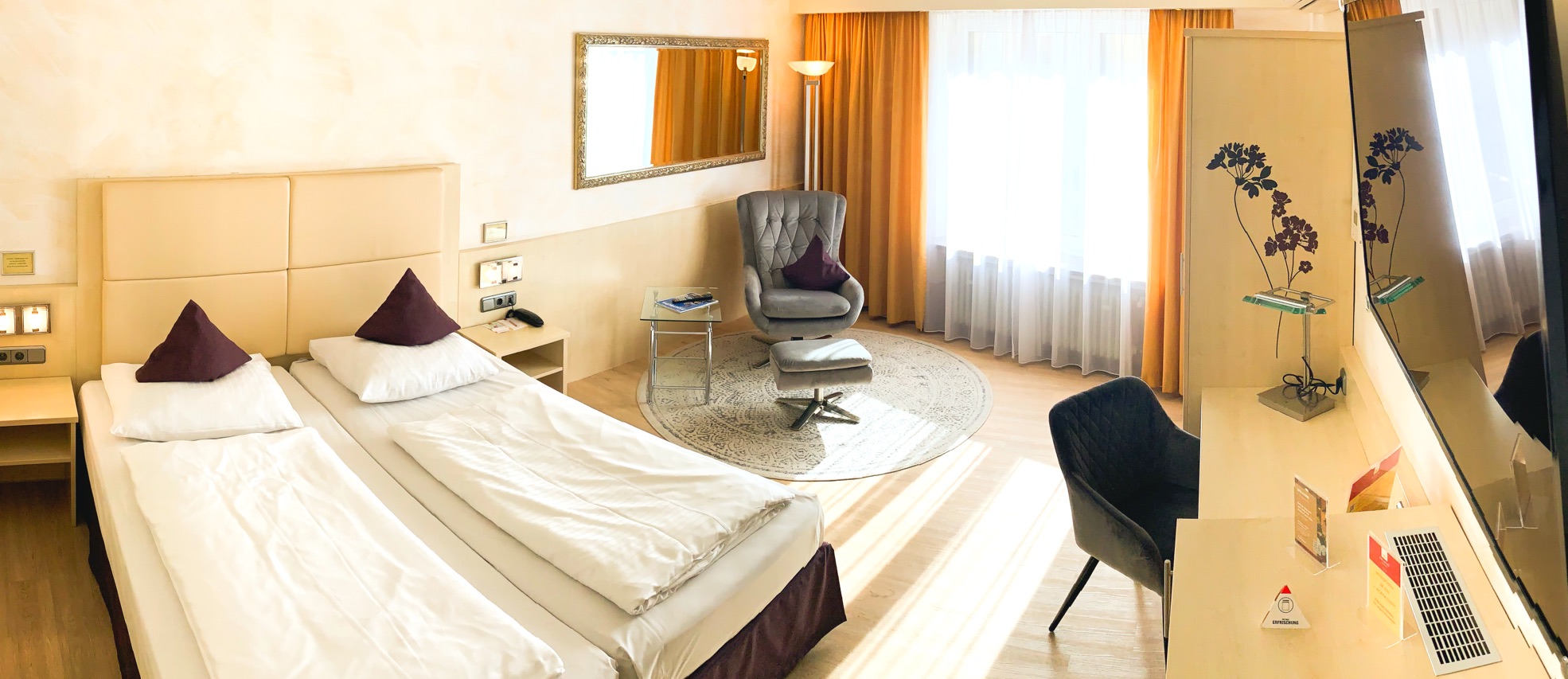
- There is at least one energy-efficient device in all rooms.
- Two of the roofs are already greened.
- All towels and table linen are washed in-house at a maximum of 60 degrees.
2. Water saving:
- In the guest rooms, old fittings were replaced with water-saving fittings. WC flushing optimized.
- Water station available for guests at the hotel bar and reception.
- Guests can use towels more than once.
- Guests can dispense with room cleaning.
3. waste management:
- Reduction of waste by dispensing with disposable products at the breakfast buffet.
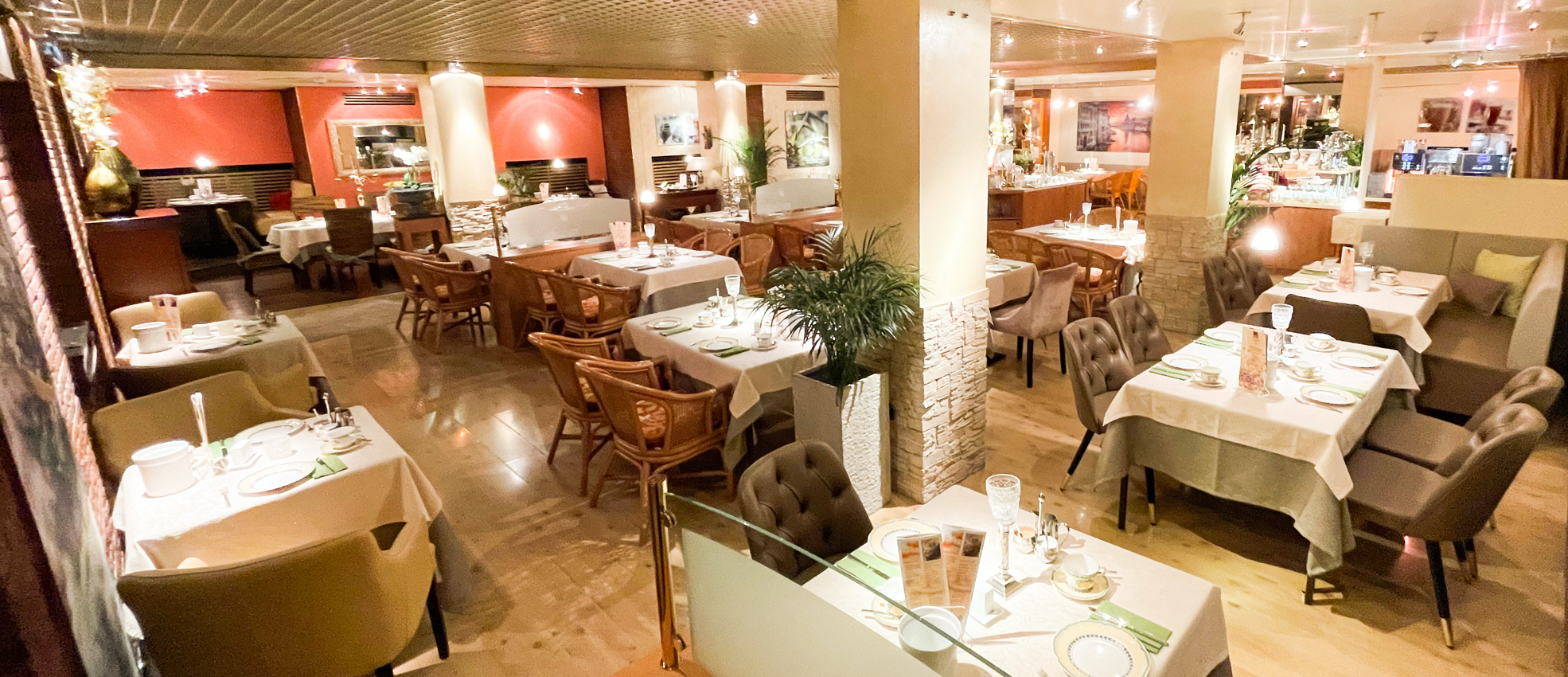
- Significant minimization of food waste through continuous logistical filling of the breakfast buffet and the use of small porcelain units.
- Purchasing large containers of biodegradable cleaning products and decanting them into smaller units ourselves, no use of disposable plastic bottles for soap and shower gel.
- Recycling garbage cans are available.
- No use of plastic straws and water/drink bottles made of disposable plastic.
- There is a concept for education, prevention, reduction, recycling and recovery with regard to food waste.
- No use of disposable plastic cups, cutlery or crockery.
- Used light bulbs are disposed of safely.
4. Environmentally friendly procurement:
The selection criteria for external service providers were examined with regard to environmental friendliness. Regional suppliers (short travel distances) were increasingly used. This applies, for example, to the egg supplier, the baked goods supplier, the fish supplier, the cleaning agent supplier, etc. Preference was given to biodegradable cleaning agents. Regional and fair trade products are also increasingly being used. Vegetarian and vegan dishes are offered on the breakfast buffet. Preference is given to regional craft businesses.
5. Modern personnel management:
Through the effective use of new technologies, promotion of a positive corporate culture, further training opportunities, flexible working time models and an open communication climate, we strengthen employee loyalty and job satisfaction and thus also increase our service quality and guest satisfaction, which is also reflected in the ratings.
- Health and safety training is offered to employees
- Employees' wages are always well above the minimum wage.
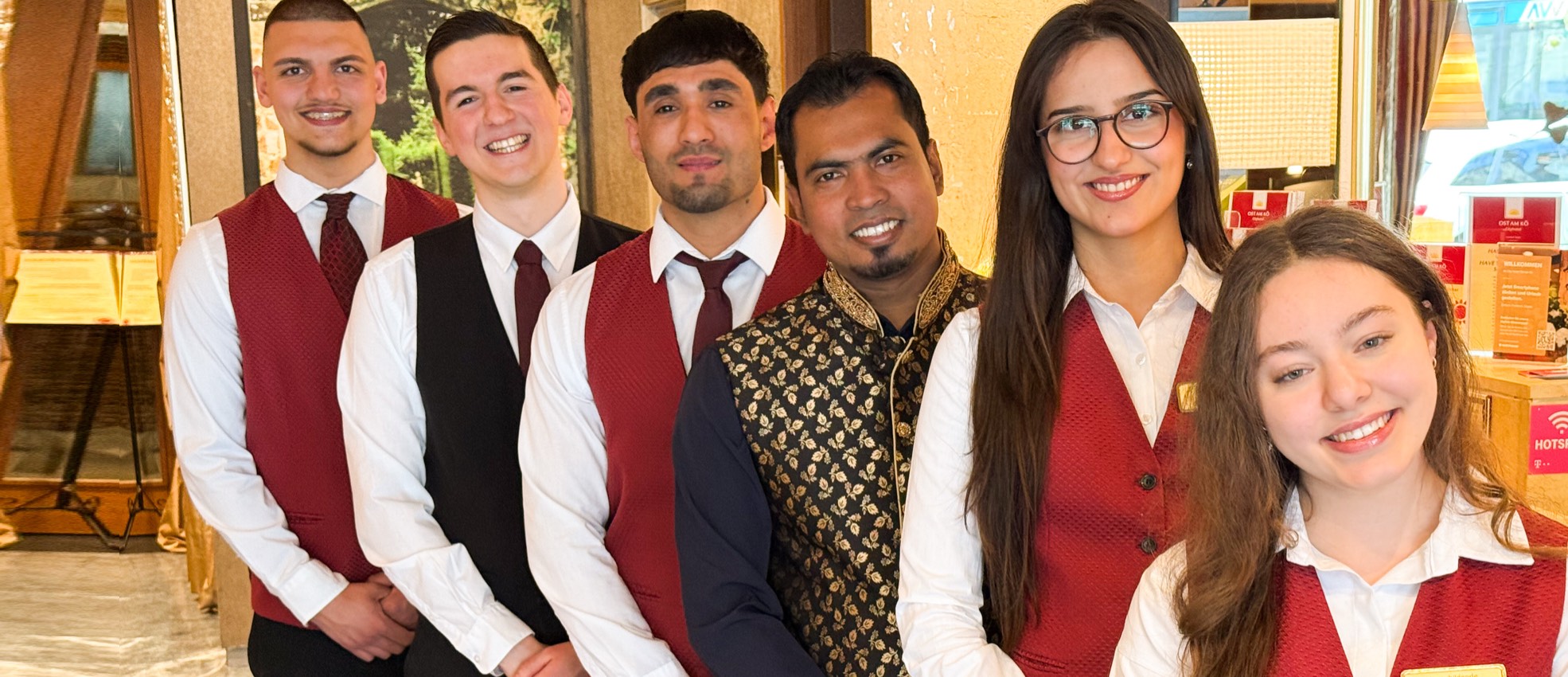
- We attach great importance to respectful cooperation, from trainees to senior employees.
- For more than 30 years, we have regularly trained several apprentices per year as hotel specialists.
6. Charitable initiatives:
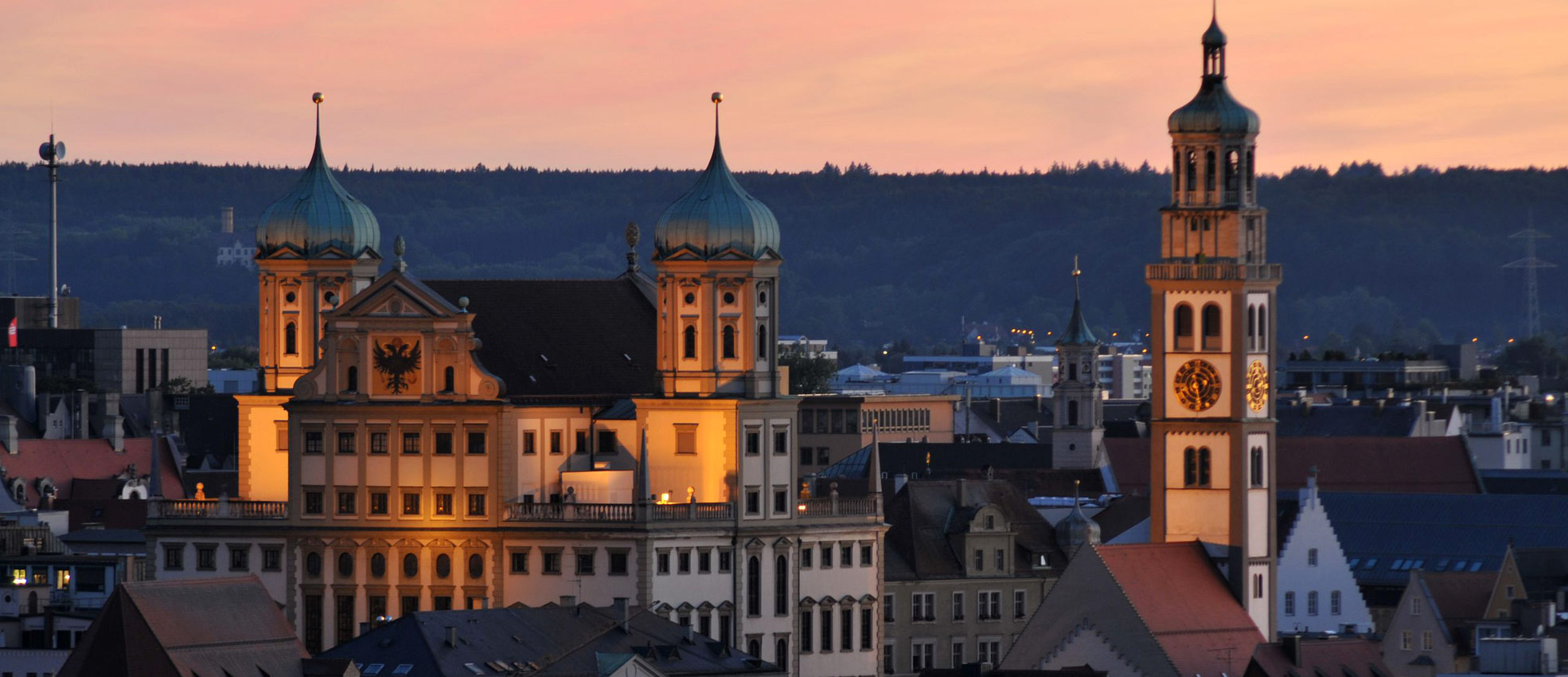
We work together with local companies, promote social projects in Augsburg and get involved in cultural events. Tours and activities (such as Augsburg UNESCO World Heritage Site with the historic Augsburg water management system) are arranged with local guides and local businesses. Guests receive information on ecosystems, traditions and culture of the destination.